 EN
EN

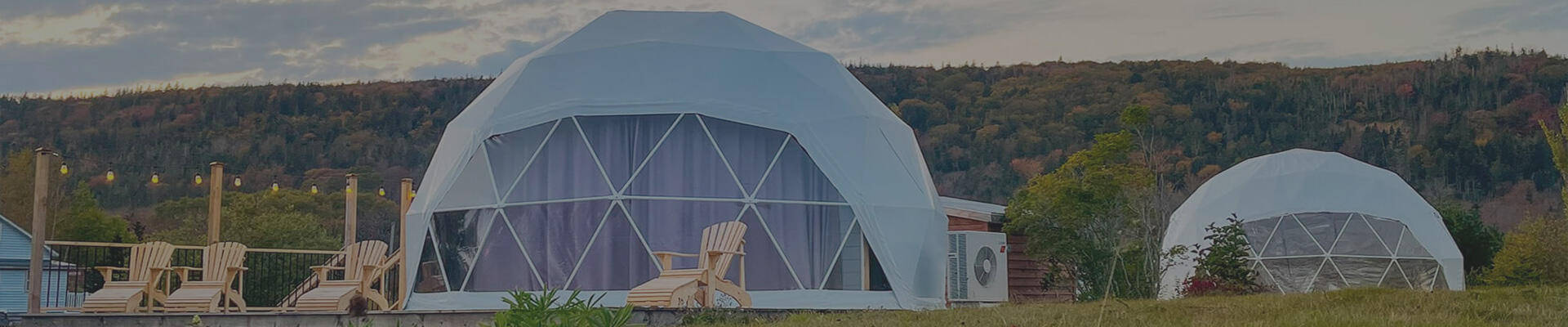
Why Choose Expandable House for Outdoor Living?
The Rise of Expandable Houses in Modern Outdoor Living
Growing Demand for Flexible and Sustainable Outdoor Spaces
More and more people these days are looking for buildings that can do double duty - think home offices in backyards or party spaces when needed. According to something I read recently from the Global Housing Innovation Institute in 2023, there's been about a 27 percent jump each year in folks wanting those kinds of flexible outdoor areas. Makes sense really, with cities getting packed and so many still working part time from home. Expandable homes tackle exactly this problem with walls that fold away, partitions that slide around, plus all sorts of modular bits and pieces. The best part? These designs cut down on construction trash at the site itself by roughly 40% compared to regular building methods. Not bad for something that sounds pretty futuristic!
How Expandable Houses Meet Evolving Lifestyle and Mobility Needs
People today want stuff that moves around easily and does multiple things at once, which is exactly what these structures offer. Take city apartments for instance many renters find themselves stuck with tiny spaces until they discover expandable units. One model starts at just 120 square feet but expands to almost double that size within three hours flat transforming into something closer to a proper two bedroom setup. Out in rural areas where tourism matters most, folks running guest accommodations are getting smart too. They're popping up glamping pods all over the place without needing concrete slabs underneath them. According to recent numbers from Outdoor Living Trends (2024), nearly seven out of ten people surveyed actually care about being able to move their living arrangements when life throws curveballs at their space requirements.
Trend: The Shift Toward Eco-Friendly, Mobile Living Structures
These days, there's real demand for houses built with CLT (cross laminated timber) and roofs ready for solar panels, cutting down on carbon emissions somewhere around 35% according to the Sustainable Building Council report from last year. Builders are starting to incorporate old materials they find lying around plus those fancy rainwater collection systems people love so much. Seems like folks want their homes to have minimal environmental impact but still be comfortable places to live. We're seeing this trend as part of something bigger happening in construction right now – architects designing structures that can be moved or expanded easily without messing up too much land space, yet somehow managing to pack all the features modern life requires into these temporary looking buildings.
Design Flexibility and Customization of Expandable Houses
Modular Design for Personalized Outdoor Living Spaces
Houses that can expand and contract are changing how we think about space inside our homes. They use sliding walls, foldable roofs, and floors that can be pulled out when needed. Compared to regular buildings that stay fixed in size, homeowners can transform their living spaces pretty quickly. Want a cozy spot for reading with lots of sunlight? No problem. Need shade for dinner outside? Just adjust the panels. Got a project going on? The house can open up into a bigger workshop area within minutes. These houses have strong steel parts that let them shrink down to something like a 150 square foot studio apartment or stretch out to around 750 square feet with three separate rooms. And despite all this movement, they still hold together just fine structurally speaking.
Interior Layouts and Aesthetic Options for Different Uses
Walls aren't just barriers anymore but actual canvases for creative expression. People can customize their spaces in so many ways these days - think about those special partition walls that cut down on noise, or choosing between old wood planks and smooth concrete surfaces. And let's not forget the LED lights built right into the walls that change depending on what someone wants to do or how they feel at the moment. What makes this really interesting is how one building can completely change character. Take an old cabin deep in the woods and suddenly it looks like a modern city office just by swapping out different interior components. The possibilities are pretty amazing when looking at all these options together.
Multi-Functional Applications: Home Office, Retreat, or Pop-Up Café
An expandable home design works great for multiple purposes throughout the day. Think morning yoga sessions, then switching to a work-from-home setup by midday, and finally transforming into a party spot when night falls. Some real world examples back this up too. Last year there was this cool pop up coffee shop that used modular expansions. They had everything set up and running within three days flat, making around eight thousand five hundred bucks each week when business was good. Homeowners are starting to see the value in these flexible living spaces as well. With just some sliding walls and shelves that move around, rooms can easily switch from accommodating overnight guests to becoming creative workspaces for art projects or music practice.
Fast Construction and Rapid Deployment of Expandable Prefab Homes
Off-Site Building Process: Speed and Efficiency vs. Traditional Construction
Factory built expandable homes can cut down on construction time by around 60 to 80 percent when compared with regular on site building methods according to ASTI research from 2023. The parts for these modular houses get made in controlled environments away from the actual building location. This means no waiting around for bad weather to pass and much less need for all that heavy digging and concrete pouring that traditional foundations require. Looking at the latest numbers from the Construction Efficiency Report 2024, most prefab expandable homes finish putting together their main structure within just 8 to 12 weeks. That's quite a difference from the usual 6 to 12 month timeline we see with conventional house building techniques. Another big plus is waste management. Factories tend to waste about 35 to 50 percent less materials than traditional sites because they plan out every cut carefully and find ways to use up leftover bits instead of tossing them aside.
Installation in Under a Week: Case Study of a 5-Day Pop-Up Café Build
In one coastal town, expandable homes showed just how fast they can be put together. The local team managed to build a 400 square foot pop-up cafe within five workdays total, going from setting down the foundation to having everything ready for customers. What made this possible? Well, most of the electrical and plumbing was already installed before delivery. The walls came as interlocking panels that didn't need any welding at all, and the whole frame used lightweight steel parts connected with simple bolts and nuts. This little cafe stayed open throughout all seasons, which goes against what people might expect when something gets built so quickly. When summer ended, workers took it apart in just 18 hours flat and moved it across country to become a lakeside cabin. Makes sense why these kinds of structures are becoming popular for short term needs or places where things need to change location often.
Mobility and Space Optimization in Expandable House Designs
Portable Structures for Seasonal or Remote Outdoor Locations
Expandable houses offer unmatched mobility, designed for rapid deployment in challenging terrains. A 2023 study on sustainable portable architecture found that 78% of users prioritize structures balancing portability with weather resistance. Features like lightweight alloys and foldable foundations allow relocation to mountain sites, coastal areas, or event spaces within 48 hours.
Expandable Mechanisms That Maximize Usable Space on Small Footprints
Innovative sliding panels and vertical expansion systems allow a 300 sq.ft unit to deliver 480 sq.ft of functional space when fully deployed. Research from the 2024 Prefab Design Innovation Report shows modular wall configurations improve space efficiency by 40% over static designs, enhanced by retractable desks and stair-storage hybrids.
Data Insight: Up to 60% More Usable Space After Expansion
Industry data confirms expandable mechanisms unlock 55–60% additional floor area post-deployment. A 35 sq.m unit, for example, can transform into a 56 sq.m livable space—equivalent to adding a bedroom and home office—while maintaining a foundation footprint smaller than two parking spaces (32.5 sq.m average).
Sustainability Benefits of Expandable Modular Homes
Eco-Friendly Materials and Energy-Efficient Design Features
Modular homes that can expand over time are built with sustainability in mind. They often include things like recycled steel frames, wood that's been salvaged from old buildings, and paints that don't release harmful chemicals into the air. When it comes to saving energy, these homes have features that really make a difference. Solar panels sit on top while advanced insulation keeps heat where it belongs. The heating and cooling systems are pretty smart too, cutting down on electricity use by around 40% when compared to regular houses according to some recent research from last year. Because everything gets made in factories first, there's less waste overall. Manufacturers try hard to cut down on leftover materials and find ways to reuse what would otherwise go to landfill. Some scrap metal becomes part of insulation layers, others get turned into padding for floors underneath main surfaces. This approach means we need fewer new raw materials but still end up with strong, durable structures.
Reduced Waste and Environmental Impact Through Factory Production
When working in factory controlled settings, there's no need to worry about rain or snow stopping progress, plus on site waste gets cut down by around 30 to 35 percent according to the Construction Waste Institute from 2023. The CNC machines we use achieve almost perfect cutting accuracy at 99%, which means way less scrap material left over after fabrication. Another big plus for going modular is how much better it is for the environment when it comes to transport. Since everything ships in compact modules instead of loose materials, companies end up making about half as many truck trips compared to conventional building methods. Water conservation is another area where modular really shines too. Most factories manage to reclaim roughly 85% of their process water these days, while excess metal scraps and other materials get recycled at rates approaching 90% as noted by Green Build Council back in 2023. All these factors put modular construction right at the cutting edge of sustainable building approaches today.
FAQ
What are expandable houses?
Expandable houses are modular homes that can adjust in size and layout by expanding or contracting walls, roofs, and floors, allowing for flexible and multi-functional living spaces.
Why are expandable homes becoming popular?
Expandable homes are gaining popularity due to their flexibility, sustainability, reduced construction time, and ability to meet the evolving needs of modern lifestyles by offering space optimization and environmental benefits.
How do expandable houses promote sustainability?
Expandable houses use eco-friendly materials, energy-efficient features such as solar panels and advanced insulation, and are often constructed in factories which reduces waste and environmental impact compared to traditional building methods.
Can expandable homes be used for commercial purposes?
Yes, expandable homes are versatile and can be used for various commercial applications, such as pop-up cafes or seasonal accommodations, due to their quick installation and mobility.
How long does it take to construct an expandable home?
With off-site production and assembly, expandable homes can be built in about 8 to 12 weeks, significantly faster than traditional methods which usually take 6 to 12 months.
 ONLINE